

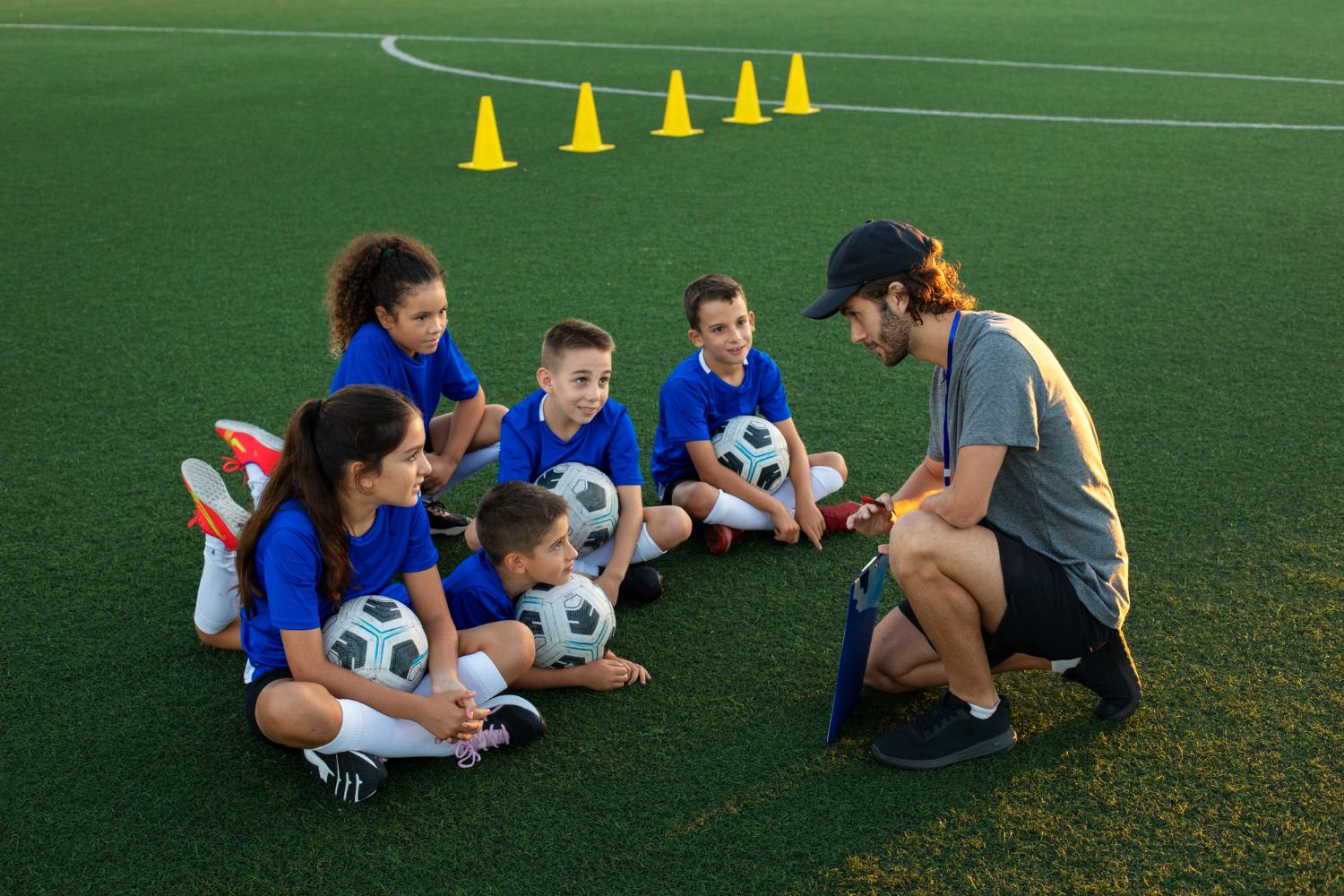
Sports are more than just a form of entertainment or exercise—they are a foundation for lifelong growth, both physically and mentally. Across all ages, from early childhood to older adulthood, engaging in sports encourages coordination, resilience, and confidence. Central to this journey is skill development, which serves as the bedrock of success and satisfaction in sports activities.
Building Fundamental Movement in Early Years
In children, sports encourage the development of motor skills like balance, agility, and hand-eye coordination. These basics, often acquired through fun, play-based activities, lay the groundwork for more advanced skills later. The early years are crucial, as children are naturally primed to learn quickly and retain physical patterns for life.
Confidence Through Competence in Adolescence
Teenagers face numerous pressures, and sports can provide a positive outlet. As young athletes refine their techniques, their sense of self-efficacy grows. Mastery of specific sports skills builds confidaence, teaching them the value of persistence, discipline, and goal-setting—lessons they carry beyond the pitch or court.
Adult Fitness and Social Engagement
For adults, sports aren’t just about winning or competition. Participating in organised or casual sport promotes health, offers stress relief, and fosters community. Learning new techniques or returning to refine old ones keeps the mind engaged and the body agile, providing a welcome counterbalance to routine work life.
Rehabilitation and Rebuilding After Injury
Post-injury or after extended inactivity, engaging in structured sport helps rebuild physical capabilities safely. Sports offer a motivational setting to regain mobility, strength, and coordination. Tailored coaching can accelerate the journey, emphasising gradual progress and reintroducing technical skills without risking further damage.
Ageing Actively with Purpose
Older adults benefit significantly from ongoing physical activity. Sports such as swimming, walking football, or yoga-based routines help maintain joint flexibility, cardiovascular health, and balance. Skill retention in later life supports independence and boosts cognitive health, while also adding structure and enjoyment to retirement years.
Mental Health and Emotional Resilience
Sports participation is linked to improved mental health at all ages. The focus required in games or practice sessions offers a mental break from everyday concerns. As athletes work on refining techniques or strategies, they develop resilience, patience, and emotional control—key components of overall wellbeing.
Lifelong Learning Through Movement
Whether learning a new sport or perfecting one played for decades, continuous learning keeps the mind and body connected. Sport teaches that progress is always possible, regardless of age or ability. This mindset reinforces the importance of skill development as an enduring, rewarding process.
From playgrounds to local clubs and beyond, sport provides a rich environment for personal growth. Prioritising skill development ensures that individuals at every stage of life benefit not just from physical fitness but from the lifelong rewards that come with learning, improving, and achieving through sport.